Pigeon nets and spikes represent a crucial aspect of urban wildlife management and property protection, gaining increasing importance globally as human populations concentrate in cities. The issue of pigeon populations isn't merely a nuisance; it poses significant health risks due to droppings, potential structural damage to buildings, and disruption of historical monuments. Understanding the effective application of pigeon nets and spikes is, therefore, vital for safeguarding public health, preserving infrastructure, and maintaining the aesthetic appeal of urban landscapes.
The demand for effective pigeon control solutions is driven by factors like urbanization, climate change impacting bird migration patterns, and increasing awareness of hygiene and disease prevention. Globally, the market for bird control solutions, including pigeon nets and spikes, is projected for continued growth. Organizations like the World Health Organization highlight the public health implications of avian populations in urban environments, further fueling the need for proactive management strategies.
Implementing effective pigeon control isn’t just about aesthetics or preventing minor inconveniences. It's about safeguarding investments in buildings, preserving historical heritage, and creating healthier, more livable urban spaces. From protecting critical infrastructure to improving sanitation in public areas, the benefits of understanding and utilizing pigeon nets and spikes are far-reaching.

Introduction to Pigeon Nets and Spikes
Pigeon nets and spikes represent a non-lethal approach to managing pigeon populations, serving as a physical barrier to prevent birds from roosting and nesting in unwanted areas. They are integral to urban pest control, protecting buildings, monuments, and public spaces from the detrimental effects of pigeon activity. pigeon nets and spikes are designed for long-term durability and minimal maintenance, offering a cost-effective solution for persistent pigeon problems.
The effectiveness of these systems relies on proper installation, material quality, and a thorough understanding of pigeon behavior. Choosing the right net mesh size or spike material is crucial for optimal results. Furthermore, a comprehensive approach that considers preventative measures alongside physical barriers is often necessary for sustained control.
Defining Pigeon Nets and Spikes
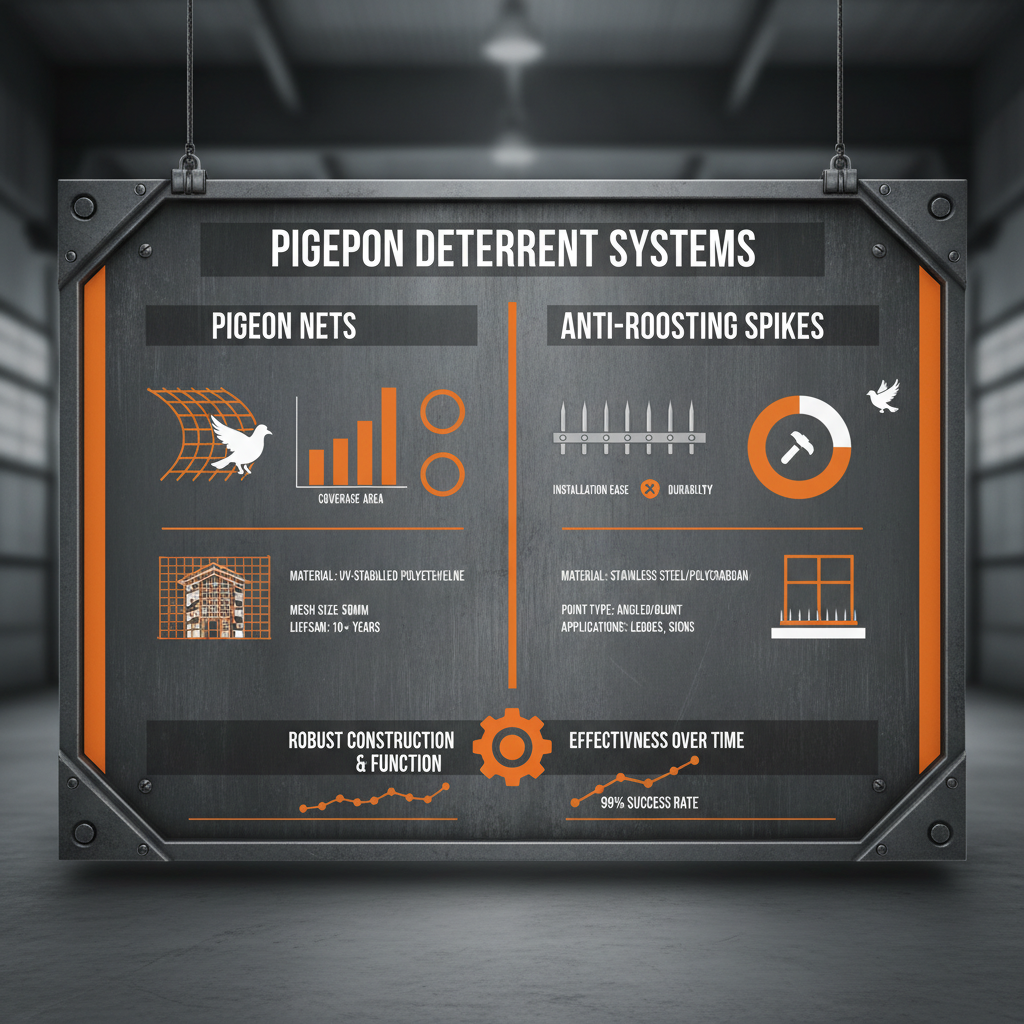
Pigeon nets are typically constructed from durable nylon or polyethylene material, woven into a mesh that prevents pigeons from accessing specific areas. These nets are strategically installed to block entry points like eaves, balconies, and open spaces beneath structures. Their primary function is to create a physical barrier without harming the birds.
Pigeon spikes, conversely, utilize blunt, closely spaced protrusions to make landing uncomfortable and prevent roosting. These are often made from stainless steel or durable plastic, designed to withstand weathering and UV exposure. They do not pierce or injure the birds, but rather create an inhospitable surface.
Both pigeon nets and spikes fall under the category of bird control solutions focused on humane and preventative methods. Their connection to modern industry lies in their application to property management, historical preservation, and public health, aligning with increasing demands for sustainable and ethical pest control practices.
Core Components of Effective Systems
Durability: The lifespan of pigeon nets and spikes is paramount. Materials must withstand UV radiation, extreme temperatures, and physical stress. Stainless steel spikes and UV-stabilized nylon nets are preferred for long-term reliability. A durable system reduces replacement costs and minimizes disruption.
Installation Quality: Proper installation is arguably the most critical factor. Nets must be securely anchored to prevent sagging or tearing, and spikes must be firmly fixed to the surface. Professional installation ensures optimal effectiveness and prevents potential hazards.
Material Composition: The choice of material influences both durability and bird welfare. Stainless steel offers superior corrosion resistance, while high-quality nylon provides flexibility and strength. Non-toxic materials are essential to avoid harming the birds or the surrounding environment.
Coverage and Design: Effective pigeon control demands complete coverage of potential roosting and nesting sites. The design of the netting or spiking should seamlessly integrate with the architecture of the building, minimizing visual impact while maximizing effectiveness.
Maintenance Requirements: Regular inspections and occasional cleaning are necessary to maintain the system's effectiveness. Removing debris, repairing minor damage, and ensuring secure anchoring prolong the lifespan and prevent bird access.
Global Applications and Use Cases
Pigeon nets and spikes are widely used in urban environments across the globe. In Europe, they are common on historical monuments and cathedrals to protect stonework from corrosive droppings. In North America, they are frequently installed on commercial buildings, warehouses, and transportation hubs.
In Asia, particularly in densely populated cities, pigeon control is critical for public health. Applications include protecting food processing facilities, hospitals, and residential areas. Across the Middle East, protecting architectural landmarks and preserving cultural heritage sites is a key driver for adoption.
In post-disaster relief operations, pigeon nets can be used to protect temporary shelters and medical facilities from contamination. In remote industrial zones, they safeguard sensitive equipment and prevent operational disruptions. Organizations like UNESCO often recommend the use of these systems to preserve heritage sites globally.
Effectiveness of Pigeon Control Methods
Advantages and Long-Term Value
The most significant advantage of pigeon nets and spikes is their humane and non-lethal nature. They prevent pigeons from accessing areas without causing harm, aligning with ethical pest control practices. This approach avoids the negative publicity and legal concerns associated with lethal methods.
From a cost perspective, while the initial investment may be higher than some temporary solutions, the long-term value is substantial. Durable materials minimize replacement frequency, reducing maintenance costs over time. Prevention of structural damage and health hazards translates into significant savings in repair and healthcare expenses. pigeon nets and spikes offer a sustainable solution that protects investments.
Future Trends and Innovations
Ongoing research is focused on developing new materials for pigeon nets and spikes with enhanced durability and UV resistance. Smart bird control systems integrating sensors and automated deterrents are also emerging. These systems can detect bird activity and activate deterrents like ultrasonic sounds or visual signals.
The integration of digital technologies, such as drone-based inspections and remote monitoring, is streamlining the maintenance process. Furthermore, there's a growing emphasis on eco-friendly materials and sustainable manufacturing practices in the production of pigeon control solutions.
Challenges and Solutions in Implementation
One common challenge is aesthetic concerns. Some property owners hesitate to install pigeon nets or spikes due to their perceived visual impact. Solutions include utilizing discreet netting colors and integrating spikes seamlessly into the architectural design.
Another challenge is ensuring proper installation on complex building structures. This requires skilled technicians with experience in identifying vulnerable areas and securely anchoring the systems. Providing comprehensive training and certification programs for installers is crucial.
Addressing the problem of birds circumventing the barriers through innovative design and continuous monitoring is also essential. Regularly inspecting the systems and making adjustments as needed ensures sustained effectiveness and maximizes the return on investment.
Summary of Pigeon Nets and Spikes Implementation Factors
| Installation Complexity |
Material Cost |
Long-Term Durability |
Aesthetic Impact |
| Low |
$50-$100 |
8/10 |
Minimal |
| Medium |
$100-$200 |
9/10 |
Moderate |
| High |
$200-$300 |
10/10 |
Significant |
| Low |
$30-$60 |
7/10 |
Minimal |
| Medium |
$70-$150 |
8/10 |
Moderate |
| High |
$150-$250 |
9/10 |
Significant |
FAQS
The lifespan of pigeon nets and spikes varies depending on the material and environmental conditions. High-quality stainless steel spikes can last upwards of 10-15 years, while UV-stabilized nylon nets generally have a lifespan of 5-10 years. Regular inspections and maintenance can significantly extend their useful life. Proper installation, protecting them from extreme wear, and cleaning debris buildup all contribute to longevity.
When installed correctly, pigeon nets and spikes are not harmful to birds. They are designed to physically prevent access to roosting and nesting sites without causing injury. The spikes have blunt tips that discourage landing but won't pierce or impale. Nets prevent access without trapping or entangling birds. The goal is humane deterrent, not harm.
Surface preparation is critical for successful installation. The surface must be clean, dry, and free of loose debris, dirt, and existing bird droppings. For smooth surfaces, a strong adhesive is typically used. For rough surfaces, mechanical fixings like screws or bolts may be required. Ensuring a secure bond is essential for the spikes to remain effective.
For large, open areas, a heavier-duty netting with a smaller mesh size is recommended. This provides more robust coverage and prevents birds from squeezing through gaps. Consider a netting material with high tensile strength and UV resistance to withstand weather conditions. A properly tensioned net is also crucial to prevent sagging and maintain its effectiveness.
Installation on historic buildings requires careful consideration to preserve architectural integrity. Discreet installation techniques, such as using clear netting or low-profile spikes, are essential. Consulting with a heritage preservation specialist is highly recommended to ensure compliance with regulations and minimize visual impact. Prioritize methods that are reversible and cause no damage to the building's structure.
Regular maintenance is key to long-term effectiveness. This includes periodic inspections (at least twice a year) to check for damage, sagging nets, or loose spikes. Remove any accumulated debris, bird droppings, or vegetation. Repair any damage promptly to prevent birds from finding access points. Consistent maintenance ensures the system remains a reliable deterrent.
Conclusion
In conclusion, pigeon nets and spikes represent a vital, humane, and cost-effective solution for managing urban bird populations. Their importance extends beyond aesthetics, encompassing public health, preservation of infrastructure, and safeguarding historical landmarks. Proper material selection, meticulous installation, and regular maintenance are key to maximizing their long-term benefits. The understanding and effective implementation of these systems are critical for creating healthier and more sustainable urban environments.
Looking ahead, advancements in materials, smart technology integration, and eco-friendly practices promise even more effective and environmentally responsible solutions. By embracing innovation and prioritizing preventative measures, we can mitigate the challenges posed by pigeon populations and ensure the preservation of our built environment for generations to come. For expert advice and effective solutions, visit our website: www.hbarcherfish.com.