The humble mouse catcher, often overlooked, represents a vital intersection of pest control, public health, and even economic stability. Globally, rodent-borne diseases cause significant morbidity and mortality, and rodent damage to crops and infrastructure impacts food security and economic development. Understanding effective mouse control methods is therefore paramount. This extends beyond simple eradication; it’s about sustainable solutions that minimize environmental impact and ensure long-term protection for communities and businesses. The increasing need for preventative measures drives the importance of innovative mouse catcher technologies.
Historically, managing mouse populations relied on often-harmful poisons and traps. However, modern concerns regarding environmental safety and animal welfare have spurred the development of more humane and ecologically sound alternatives. This shift presents a unique opportunity for innovative solutions like the advanced mouse catcher systems designed to offer both effective pest control and responsible environmental stewardship. The demand for such solutions is global, driven by evolving regulations and a growing awareness of sustainable practices.
Effective mouse control is no longer merely a reactive measure, but a proactive component of preventative public health and infrastructure maintenance. The advancements in mouse catcher technology represent a step forward in creating safer, more sustainable, and economically sound environments.

The Importance of Mouse Catcher Technology
The development and implementation of advanced mouse catcher technology are crucial for mitigating significant economic and health risks. Globally, rodents are responsible for the contamination of food supplies, the spread of diseases like Leptospirosis and Hantavirus, and substantial damage to infrastructure. This impacts both developed and developing nations, making effective pest control a critical component of public health initiatives.
Beyond immediate health concerns, the economic impact of rodent infestations is substantial. Agriculture suffers from crop losses, stored grain is compromised, and damage to electrical wiring and building materials necessitates costly repairs. Utilizing intelligent mouse catcher systems represents a proactive investment in protecting assets and ensuring long-term sustainability.
Defining the Modern Mouse Catcher
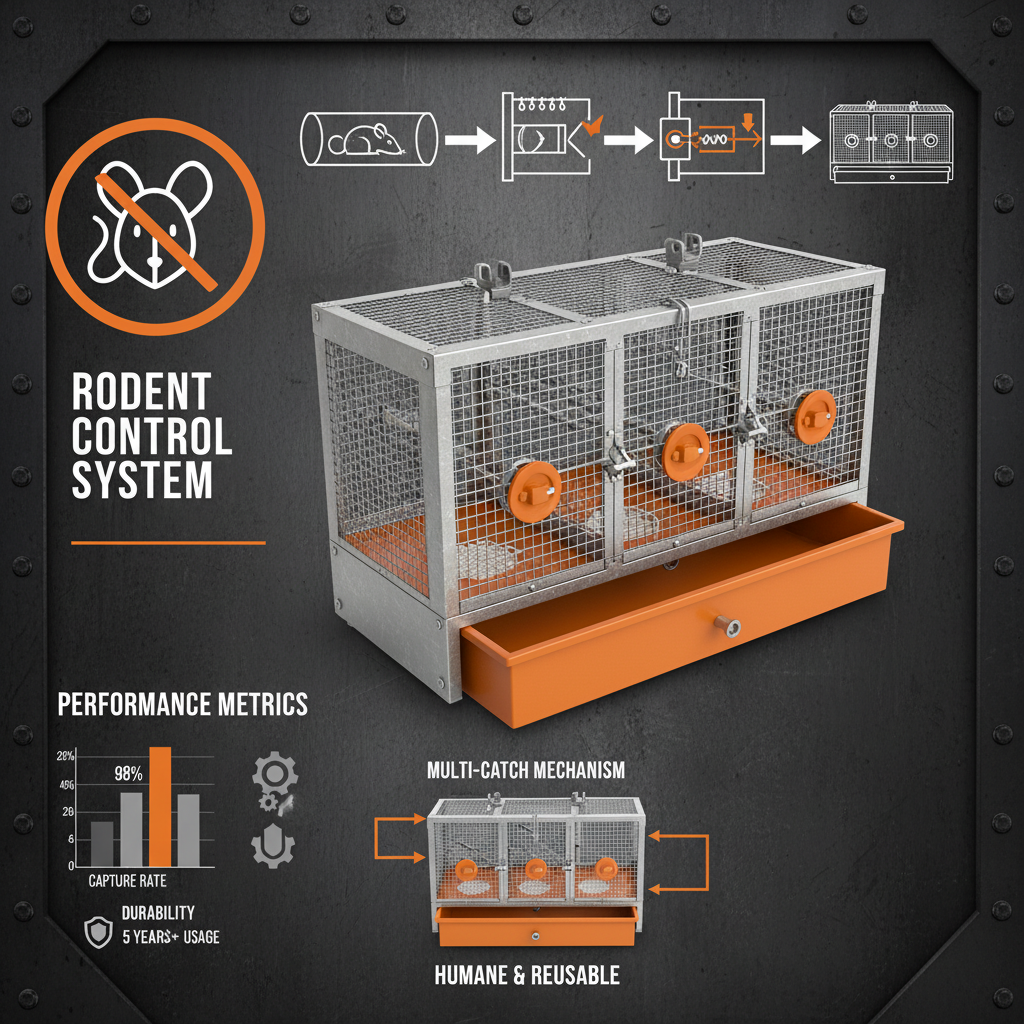
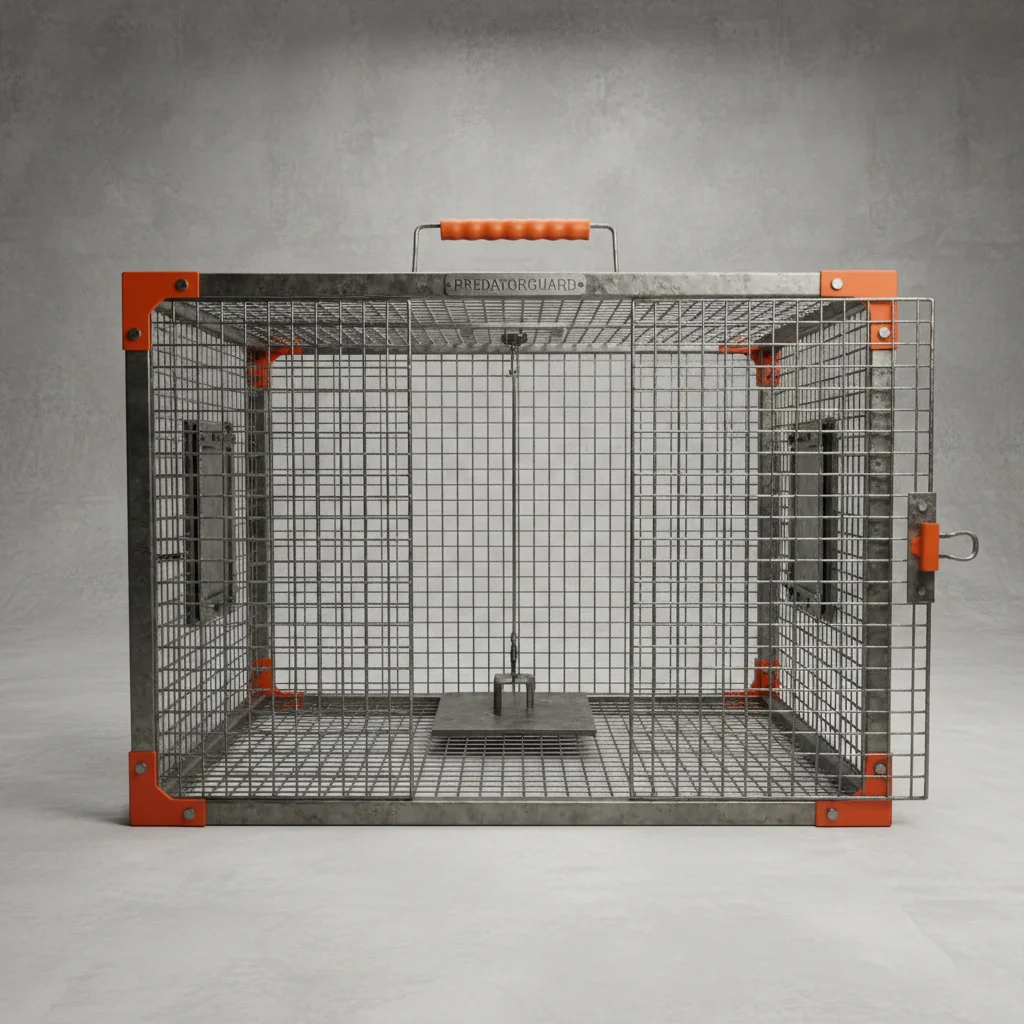
A modern mouse catcher extends far beyond the traditional snap trap. It encompasses a range of technologies designed for effective, humane, and environmentally responsible rodent control. These systems can include multi-catch traps, electronic traps, live traps, and monitoring systems that provide real-time data on rodent activity. The core principle is to disrupt rodent behavior and prevent infestations without relying solely on harmful toxins.
The key difference lies in the integration of intelligent features. Many contemporary mouse catcher systems utilize sensors, wireless connectivity, and data analytics to optimize trapping strategies and provide valuable insights into rodent populations. This data-driven approach allows for targeted interventions, reducing the overall reliance on pest control measures.
Ultimately, a well-designed mouse catcher isn’t just about eliminating mice; it’s about creating a sustainable pest management plan that minimizes environmental impact and protects both human and animal welfare.
Core Components of Effective Mouse Catchers
Several key components define the effectiveness of a mouse catcher system. Firstly, the capture mechanism must be reliable and humane, ensuring quick and efficient capture without causing undue suffering. Secondly, durability is paramount, particularly in challenging environments where traps may be exposed to the elements or repeated use.
Scalability is another critical factor. A truly effective system should be adaptable to different environments and infestation levels, from small residential settings to large industrial facilities. This requires a range of trap sizes and configurations, as well as the ability to deploy multiple units strategically. The system's overall ease of use is also important.
Finally, cost-efficiency plays a significant role in adoption. While initial investment may be higher for advanced systems, the long-term benefits of reduced damage, improved hygiene, and minimized reliance on costly pesticides often outweigh the upfront expenses. Monitoring capabilities are often linked to cost efficiency as targeted responses save on unnecessary expenditures.
Global Applications and Industry Integration
The applications of advanced mouse catcher technology are diverse and far-reaching. In the agricultural sector, these systems protect stored grains and crops from rodent damage, ensuring food security and reducing economic losses. In the food processing industry, they maintain hygiene standards and prevent contamination of food products.
Healthcare facilities benefit from reduced rodent activity, minimizing the risk of disease transmission. In residential areas, mouse catcher systems offer a safe and effective way to control infestations without exposing families to harmful chemicals. Furthermore, in post-disaster relief operations, these systems play a vital role in preventing the spread of disease in temporary shelters.
Regions with limited access to traditional pest control methods, such as remote industrial zones or developing countries, are particularly well-suited for the implementation of self-contained and easily monitored mouse catcher solutions.
Comparative Effectiveness of Mouse Catcher Methods
Advantages and Long-Term Value Proposition
The long-term value of investing in effective mouse catcher systems extends far beyond immediate pest control. From a cost perspective, reduced damage to property and infrastructure translates into significant savings. Moreover, minimizing reliance on pesticides contributes to a more sustainable and environmentally friendly approach to pest management.
The social impact is also noteworthy. By reducing the risk of rodent-borne diseases, these systems contribute to improved public health and well-being. This fosters trust and confidence in businesses and organizations that prioritize preventative measures. The emotional benefit of a pest-free environment – a sense of security and cleanliness – should not be underestimated.
Future Trends in Mouse Catcher Innovation
The future of mouse catcher technology is poised for significant advancements. Integration with the Internet of Things (IoT) will enable real-time monitoring and remote control of trapping systems, allowing for proactive interventions and optimized performance. Developments in materials science will lead to more durable, eco-friendly, and effective trap designs.
Artificial intelligence (AI) and machine learning algorithms will play an increasing role in analyzing rodent behavior patterns and predicting potential infestations. This data-driven approach will enable more targeted and efficient pest control strategies, reducing waste and minimizing environmental impact. The growth of smart city initiatives will further accelerate the adoption of integrated pest management systems.
Challenges and Sustainable Solutions
Despite advancements, challenges remain in the field of mouse control. Rodents can develop resistance to certain trapping methods, necessitating ongoing innovation and adaptation. The cost of implementing advanced systems can be a barrier for some businesses and organizations. Ensuring responsible disposal of captured rodents is also crucial.
Sustainable solutions involve a multi-faceted approach. This includes continuous research and development of new trapping technologies, promoting integrated pest management strategies that combine various control methods, and educating the public about preventative measures. Furthermore, exploring biodegradable and compostable trap materials can minimize environmental impact.
Addressing the cost barrier requires innovative financing models and government incentives to encourage the adoption of sustainable pest control practices. By embracing a collaborative and holistic approach, we can overcome these challenges and create a more effective and environmentally responsible system for managing rodent populations.
Summary of Key Considerations for Mouse Catcher System Selection
| Application Environment |
Cost of Implementation |
Environmental Impact |
Maintenance Requirements |
| Residential - Low Rodent Pressure |
$20 - $50 |
Low |
Minimal |
| Commercial Kitchen - Moderate Pressure |
$100 - $300 |
Medium |
Regular Monitoring |
| Warehouse - High Pressure |
$500+ |
Medium to High |
Frequent Trap Replacement |
| Agricultural Storage - Severe Pressure |
$1000+ |
High |
Intensive Management |
| Healthcare Facility - Sensitive Environment |
$300 - $700 |
Low |
Strict Hygiene Protocols |
| Food Processing Plant - Critical Hygiene |
$700+ |
Low |
Continuous Monitoring and Sanitation |
FAQS
Traditional snap traps often rely on lethal force and can pose risks to non-target animals. Modern mouse catcher systems prioritize humane capture, offering features like live traps and multi-catch options. They also often incorporate monitoring capabilities and data analytics, enabling a more targeted and efficient approach to pest control. These systems generally require less frequent resetting and provide a safer, more ethical solution compared to traditional methods.
The frequency of checking and maintenance depends on the specific mouse catcher system and the level of infestation. Generally, it’s recommended to check traps daily, especially in areas with high rodent activity. Regular maintenance includes cleaning traps, replacing bait, and inspecting for any damage or malfunctions. Adhering to a consistent maintenance schedule ensures optimal performance and prolongs the lifespan of the system.
Many modern mouse catcher systems are designed with environmental sustainability in mind. They often reduce or eliminate the need for harmful rodenticides, minimizing the risk of secondary poisoning to wildlife. Some systems utilize biodegradable materials and incorporate energy-efficient designs. Choosing systems that prioritize non-toxic control methods contributes to a more environmentally responsible pest management strategy.
If using a live trap, relocation is an option, but it's crucial to release the mouse at least a mile away from your property to prevent it from returning. However, relocating mice can be stressful for the animal. Alternatively, humane dispatch methods, like CO2 asphyxiation, are recommended and should be performed according to local regulations and ethical guidelines. Always wear protective gear when handling captured rodents.
Effective placement of mouse catcher devices requires identifying areas of high rodent activity. Look for signs such as droppings, gnaw marks, and runways. Place traps along walls, in dark corners, and near potential entry points. Using multiple traps in strategic locations will increase the likelihood of capture. Regularly monitor trap placement and adjust as needed based on rodent activity patterns.
Electronic mouse catcher systems often require a power source, which may limit placement options. They can also be more expensive than traditional traps. While generally safe, there is a potential risk of electric shock, so it’s important to follow manufacturer’s instructions carefully. Effectiveness can also be reduced if rodents become trap-shy, requiring the use of different trapping strategies.
Conclusion
In conclusion, the evolution of the mouse catcher demonstrates a shift towards more sustainable, humane, and effective pest control solutions. From basic snap traps to intelligent, data-driven systems, advancements in technology are revolutionizing the way we manage rodent populations. Prioritizing preventative measures, responsible disposal, and environmentally friendly practices is crucial for long-term success.
Looking ahead, continued innovation in materials science, AI, and IoT will further enhance the capabilities of mouse catcher technology. Embracing these advancements and adopting integrated pest management strategies is essential for protecting public health, safeguarding infrastructure, and fostering a more sustainable future. Visit our website at www.hbarcherfish.com to learn more.