Comprehensive Guide to Rat Trap Technology and Effective Pest Control Solutions
The global need for effective pest control is undeniable, impacting agriculture, public health, and economic stability. A critical component of this control is the humble, yet vital, rat trap. From safeguarding food supplies to preventing the spread of disease, efficient rat control is a cornerstone of modern civilization. Understanding the nuances of different rat trap designs and deployment strategies is therefore essential for professionals and individuals alike.
Historically, rat control relied on rudimentary and often inhumane methods. However, advancements in materials science, engineering, and ecological understanding have led to the development of sophisticated rat trap systems. These modern traps prioritize effectiveness, safety, and humane treatment, minimizing harm to non-target species and ensuring sustainable pest management.
The increasing urbanization and globalization contribute to the spread of rat populations, making consistent and adaptable rat trap solutions increasingly important. This article provides a comprehensive overview of rat traps, their applications, and emerging trends in this critical field.
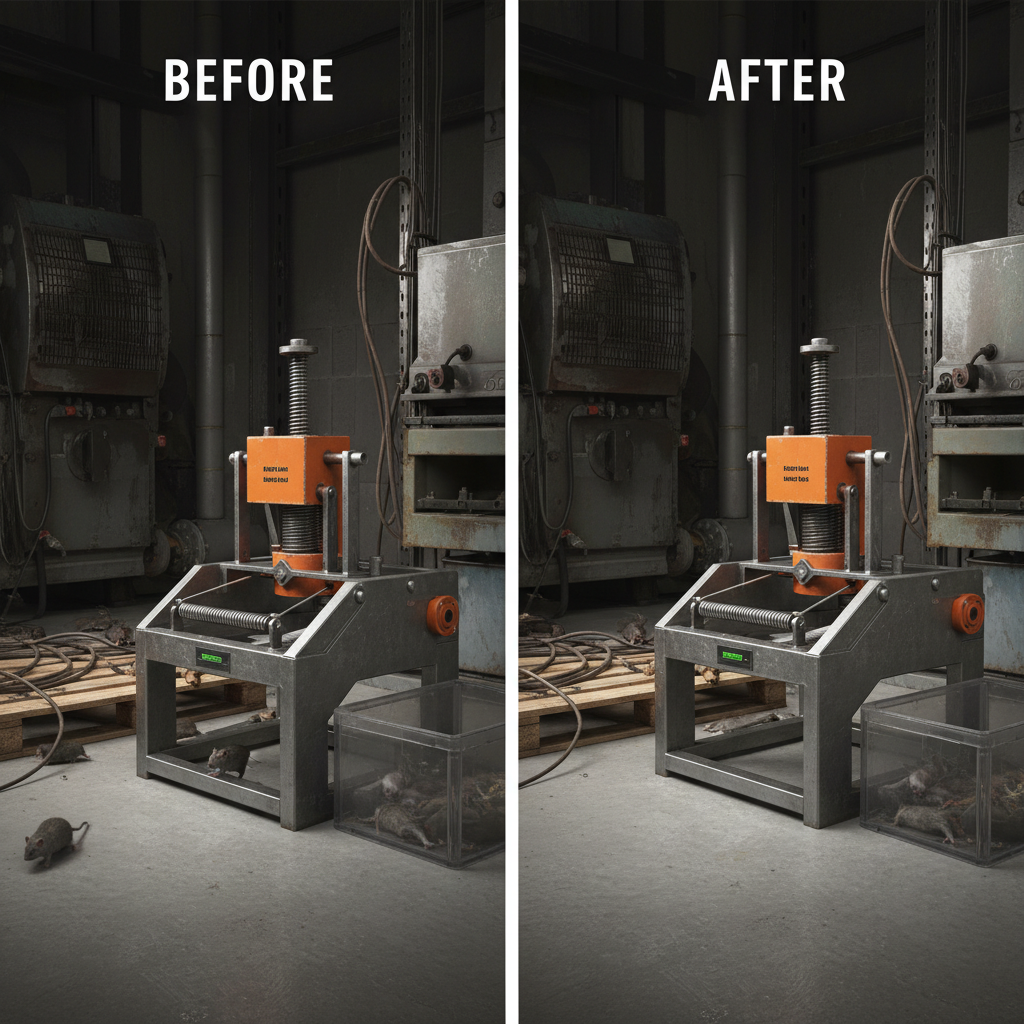
Rat infestations pose significant threats to public health, agriculture, and infrastructure globally. Effective rat trap technology is essential in mitigating these risks. The economic impact of rat damage is substantial, extending to crop losses, food contamination, and structural damage to buildings.
Beyond economic concerns, rats are vectors for numerous diseases, including leptospirosis, hantavirus, and salmonellosis. A well-implemented rat control strategy, heavily reliant on effective rat traps, is crucial for protecting human and animal health.
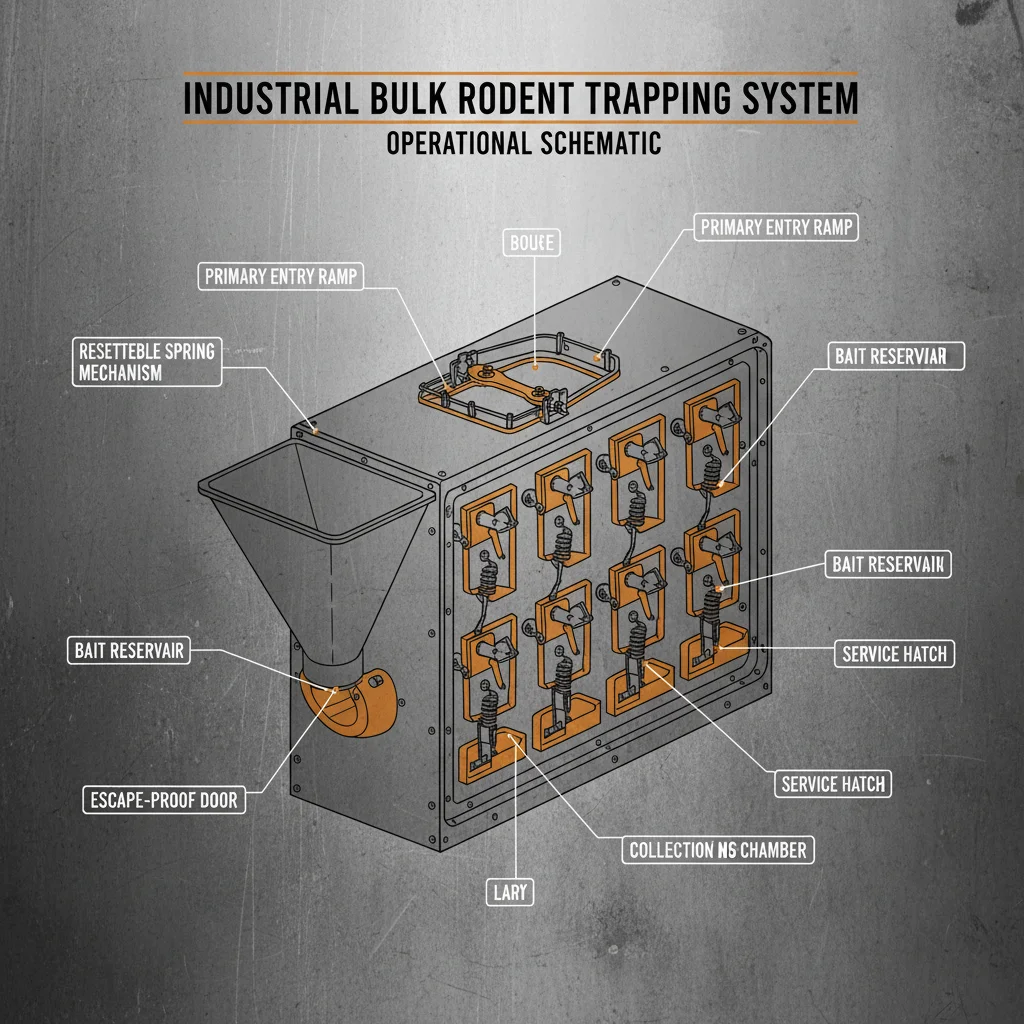
A rat trap system encompasses more than just the physical device. It includes the strategic placement, monitoring, and maintenance of traps to achieve optimal pest control. The 'system' approach recognizes that successful rat control requires understanding rat behavior, identifying entry points, and addressing underlying conditions that attract rats.
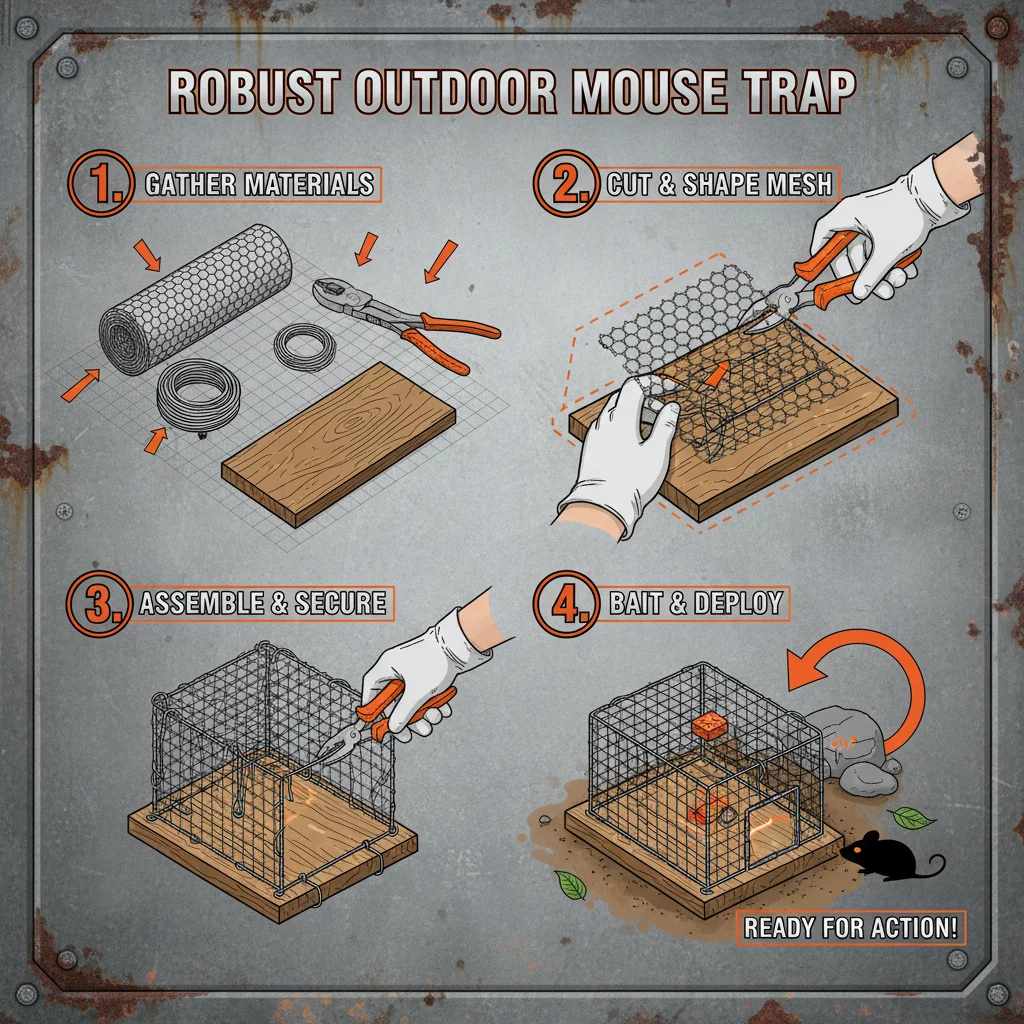
Different types of rat traps – snap traps, glue traps, live traps, and electronic traps – each have unique characteristics that make them suitable for specific situations. Choosing the right type of rat trap depends on the severity of the infestation, the environment, and the desired level of humaneness.
Modern rat trap systems also increasingly incorporate data collection and analysis, enabling proactive pest management and minimizing reliance on reactive control measures. This data-driven approach improves efficiency and sustainability.
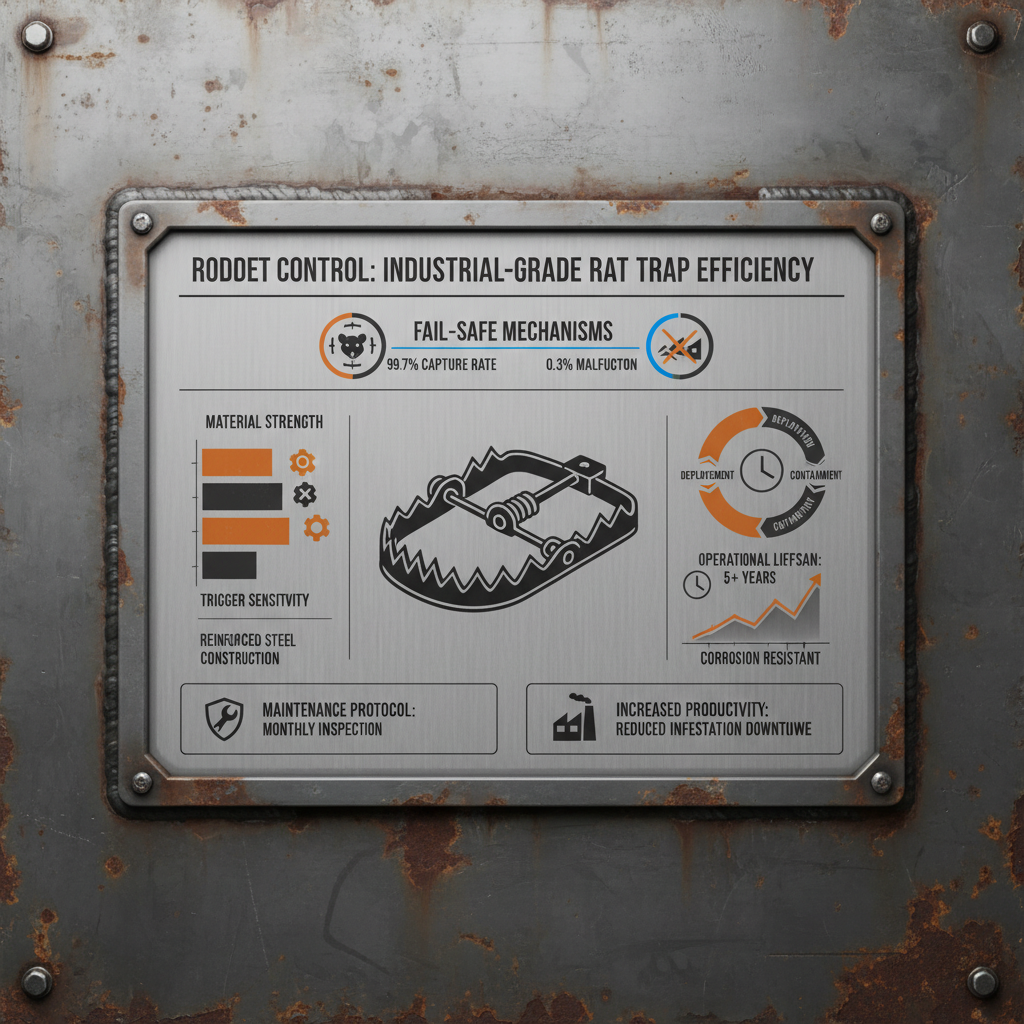
Durability is a paramount characteristic of any reliable rat trap. Traps must withstand repeated use, varying environmental conditions, and potential tampering. High-quality materials and robust construction ensure longevity and reduce the need for frequent replacements.
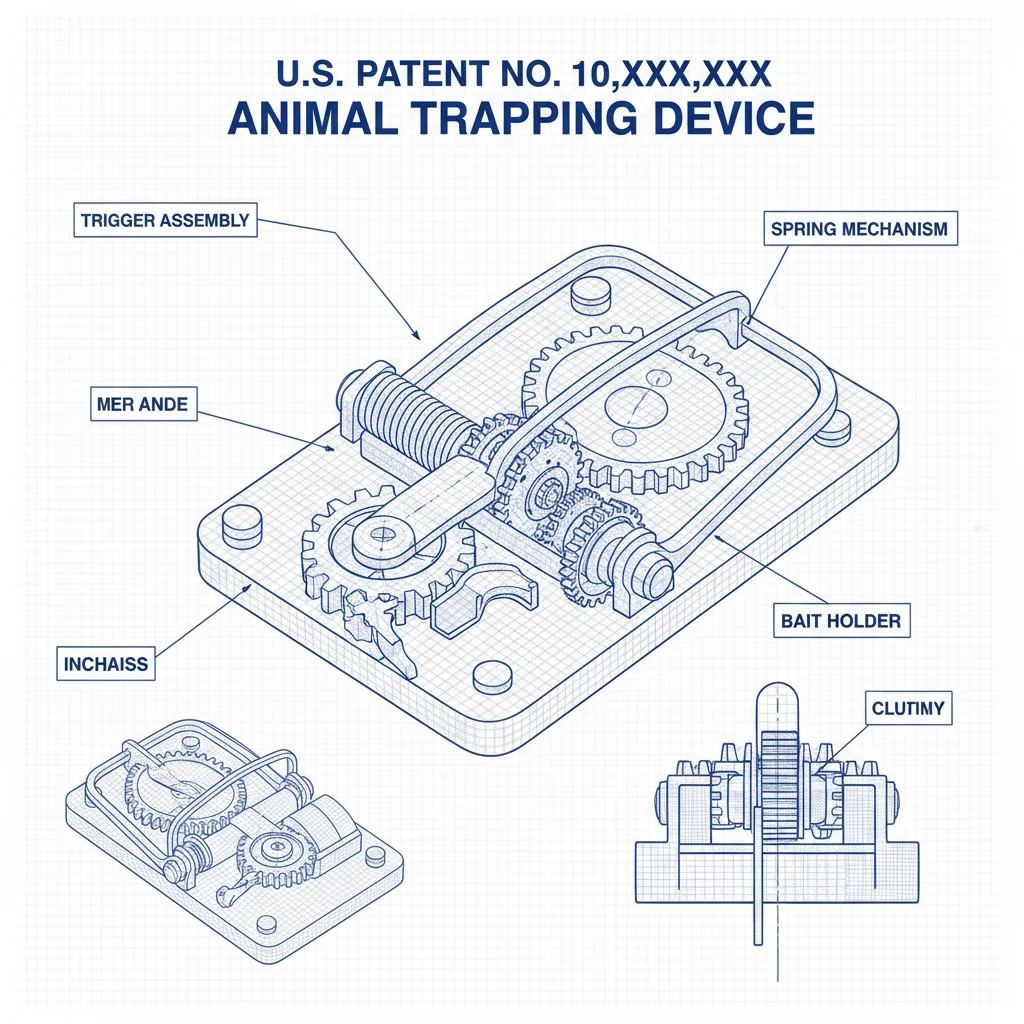
Effective triggering mechanisms are fundamental to successful rat capture. The sensitivity and reliability of the trigger dictate the trap's ability to consistently capture rats without false alarms. Well-designed triggers minimize the chance of rats learning to avoid the trap.
Ease of use and hygiene are also crucial factors. Traps should be easy to set, bait, and clean. Proper hygiene minimizes the risk of disease transmission and maintains a sanitary environment. Furthermore, user-friendly designs encourage consistent and proper deployment.
In agricultural settings, rat traps are essential for protecting stored grains, fruits, and vegetables from rat damage. Strategic placement of traps in barns, silos, and fields helps minimize crop losses and maintain food safety.
Urban environments require a different approach. Rat traps are used extensively in residential areas, commercial buildings, and public spaces to control rat populations and prevent the spread of disease. Integrated pest management programs often incorporate traps alongside sanitation and exclusion techniques.
In post-disaster relief operations, rapid deployment of rat traps is crucial for preventing disease outbreaks and protecting food supplies. Controlling rat populations in temporary shelters and relief camps is essential for maintaining public health.
The cost-effectiveness of rat trap systems is a significant advantage. Preventing rat damage reduces economic losses from crop destruction and property damage. Moreover, proactive rat control minimizes healthcare costs associated with rat-borne diseases.
Sustainability is increasingly important. Choosing humane rat traps and implementing integrated pest management strategies minimize environmental impact and promote biodiversity. Reducing reliance on harmful chemicals is a key aspect of sustainable rat control.
Smart traps equipped with sensors and data transmission capabilities are emerging as a promising trend. These traps can provide real-time monitoring of rat activity, enabling targeted control measures and optimizing trap placement.
Research into new bait formulations and attractants is ongoing. Developing more effective and species-specific baits will improve trap success rates and reduce non-target captures. Furthermore, biodegradable trap materials are being explored to minimize environmental impact.
Automation and robotics are poised to play a larger role in rat control. Automated trap systems can reduce labor costs and improve efficiency, particularly in large-scale agricultural settings.
Rat trap resistance, where rats learn to avoid traps, is a common challenge. Employing a variety of trap types, rotating trap locations, and using different baits can help overcome this resistance.
Proper sanitation and exclusion are often overlooked. Addressing entry points, eliminating food sources, and maintaining a clean environment are essential for long-term rat control. Rat traps are most effective when integrated with these preventative measures.
Public education and awareness are crucial for fostering community-based rat control efforts. Involving residents in monitoring and reporting rat activity can significantly improve the effectiveness of control programs.
| Challenge | Impact | Solution | Effectiveness (1-10) |
|---|---|---|---|
| Trap Shyness | Reduced capture rates | Trap rotation & varied trap types | 8 |
| Bait Preference | Limited trap attraction | Bait diversification & testing | 7 |
| Entry Point Identification | Continuous re-infestation | Thorough building inspection & sealing | 9 |
| Sanitation Issues | Attracts & sustains rat populations | Waste management & food storage | 8 |
| Environmental Conditions | Trap malfunction & reduced efficacy | Weather-resistant trap selection | 6 |
| Lack of Monitoring | Ineffective program evaluation | Regular trap checks & record keeping | 7 |
When considering humane rat trapping, live traps are generally the most ethical choice, allowing for capture and relocation. However, relocation can be stressful for the rat and may not be permitted in all areas. Electronic traps offer a quick kill, minimizing suffering, but require careful maintenance. Avoid glue traps as they cause prolonged distress. Properly positioned snap traps, while lethal, can provide a relatively quick dispatch when used correctly.
Rat traps should be checked at least daily, and ideally twice a day. Regular monitoring ensures that captured rats are dealt with promptly and prevents decomposition, which can attract other pests. It also allows you to re-bait or reposition traps if they are not effective. Consistent checking improves the overall success of your rat control program and maintains hygiene.
The best bait depends on the rat's preference in your area. Peanut butter is a common and effective choice, but other options include chocolate, bacon, and seeds. Rotating baits can prevent rats from becoming trap-shy. Consider using a small amount of bait to avoid attracting non-target species. Avoid using easily spoiled baits, which can become ineffective over time.
Preventing re-infestation requires a multi-pronged approach. Seal any potential entry points, such as cracks in foundations or around pipes. Maintain proper sanitation by storing food in airtight containers and regularly cleaning up spills. Eliminate clutter and vegetation around buildings, which can provide harborage for rats. Ongoing monitoring with rat traps can also help detect and address any new infestations early on.
For severe or persistent rat infestations, professional pest control is often the most effective solution. Professionals have the expertise, tools, and knowledge to identify the source of the infestation, implement a comprehensive control plan, and prevent future problems. They can also safely handle and dispose of rats and use professional-grade products that are not available to the general public.
Always exercise caution when handling rat traps. Wear gloves to avoid direct contact with rats or their droppings. Place traps in areas inaccessible to children and pets. Dispose of captured rats properly, following local regulations. If you are bitten or scratched by a rat, seek medical attention immediately. Practice good hygiene by washing your hands thoroughly after handling traps or any materials that may have come into contact with rats.
In conclusion, effective rat trap technology is a critical component of public health, agricultural protection, and property preservation. From understanding the core components of a successful trap system to implementing preventative measures and embracing emerging innovations, a proactive and informed approach is essential for mitigating the risks posed by rat infestations.
Looking ahead, continued research and development in smart trap technology, bait formulations, and sustainable materials will further enhance our ability to control rat populations effectively and humanely. By prioritizing preventative measures, embracing integrated pest management strategies, and utilizing advanced rat trap systems, we can safeguard our communities and ensure a healthier, more sustainable future. Visit our website at www.hbarcherfish.com to learn more about our rat trap solutions.

If you are interested in our products, you can choose to leave your information here, and we will be in touch with you shortly.