22 December 2025
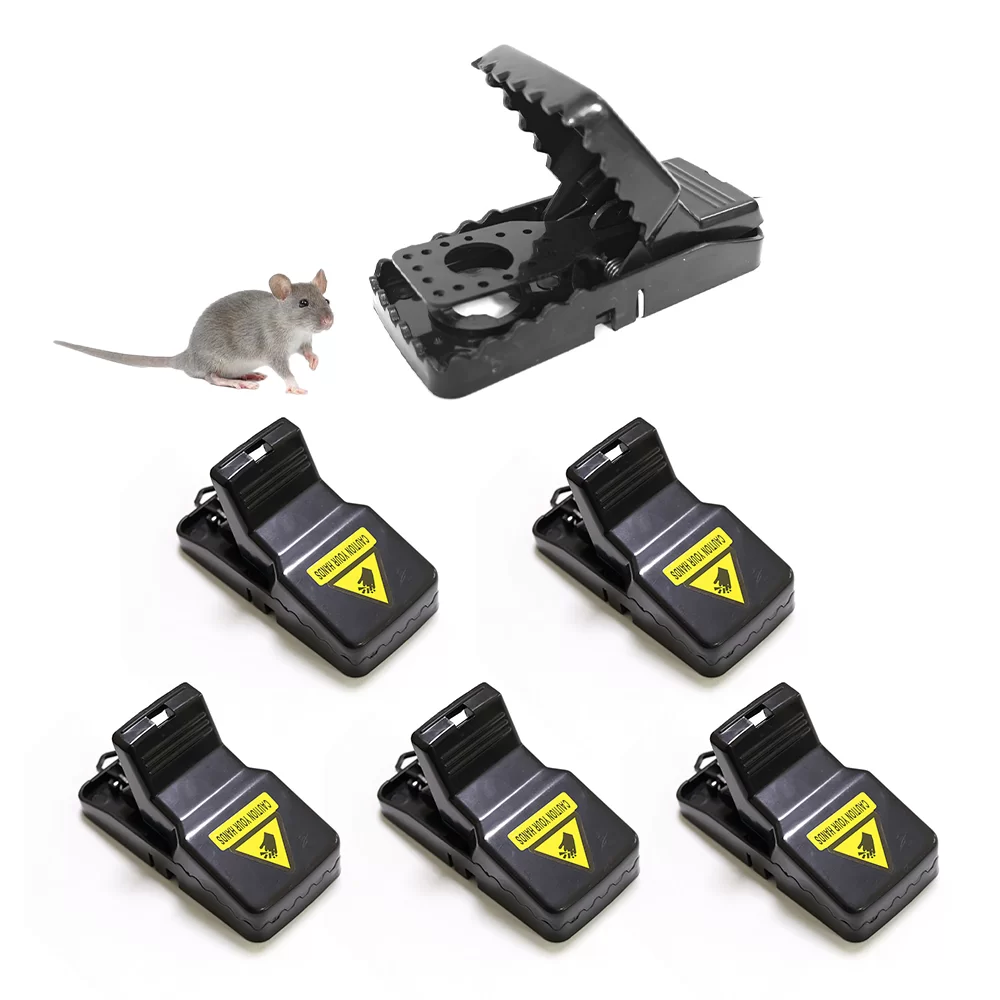
Outdoor environments, characterized by rain, humidity, and temperature fluctuations, pose a severe rust challenge to outdoor mice traps, directly affecting their service life and capture efficiency. Mouse traps are one of the most effective and widely used pest control solutions for homes, warehouses, farms, and outdoor environments. There are different types of mouse traps, including snap traps, glue traps, humane cages, and catch boxes, each designed to meet specific needs. For large-scale users such as distributors, hardware stores, and pest control companies, bulk mouse traps are an economical choice, providing cost savings while ensuring constant supply. For individual users, a wide range of mouse traps for sale is available, from traditional wooden snap traps to modern plastic or metal designs. Hebei Archerfish Network Technology Co., Ltd., founded in 2019, is an 80-strong integrated company combining factory production and foreign trade. Our core products cover pest control solutions (mouse traps, glue boards, cages, bird spikes, etc.) and household items, and we have developed targeted rust prevention technologies for rat trap and rodent trap to ensure their durability in outdoor scenarios—whether for farm fields, garden borders or public green spaces, our products maintain stable performance without rusting.
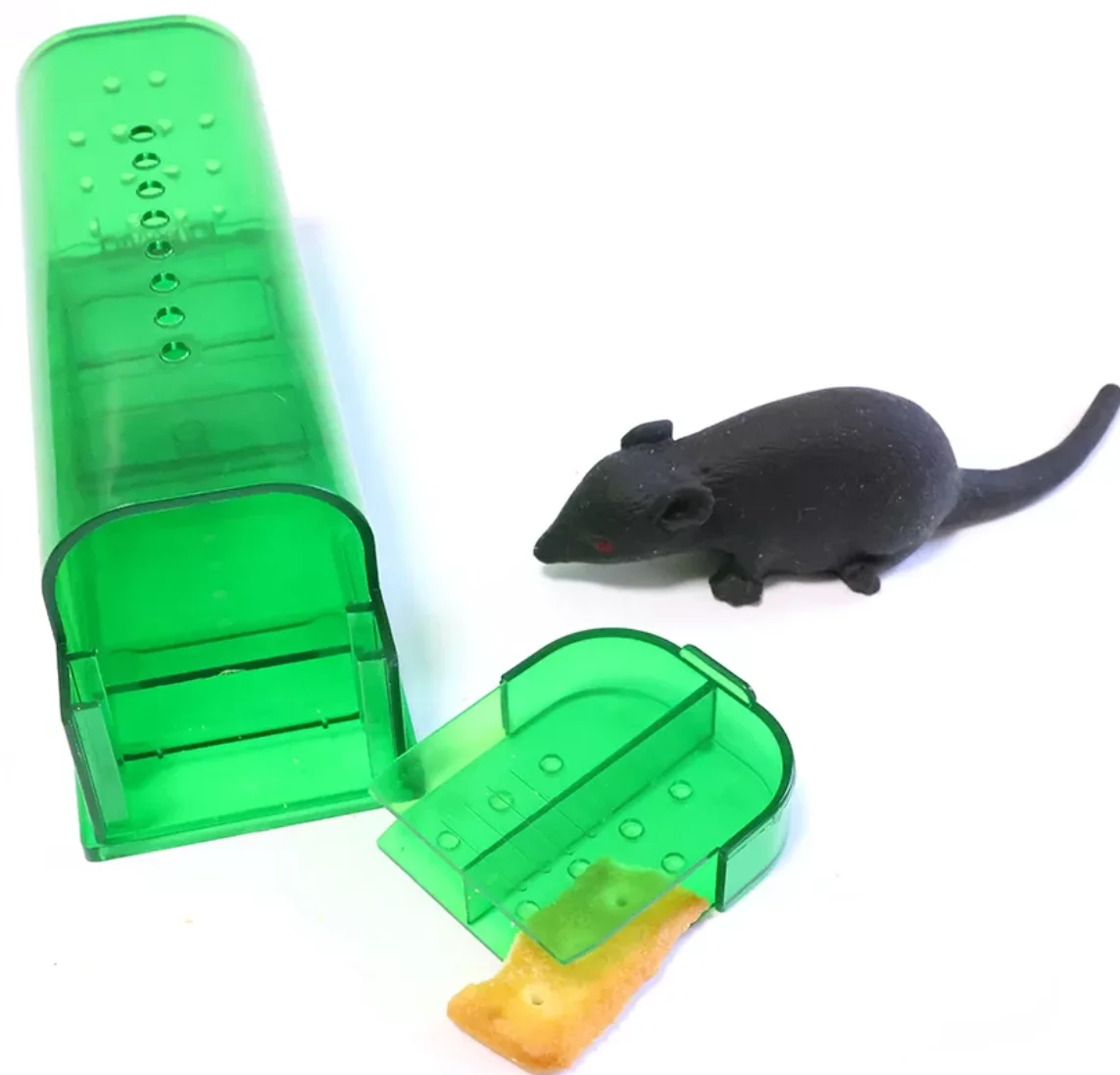
• Hot-dip galvanizing is a foundational rust prevention process for rat trap. We immerse the metal components of the trap in molten zinc at 450℃, forming a 60-80μm thick zinc layer that isolates air and moisture, ensuring the trap resists rust for 5-8 years outdoors.
• Powder coating enhances both rust resistance and aesthetics of rat trap. The electrostatic spraying of epoxy resin powder forms a uniform film on the trap surface; the film’s adhesion reaches grade 1, and it can withstand 1000 hours of salt spray testing without peeling.
• Passivation treatment complements the rust prevention of rat trap. After galvanizing, we use chromate passivation to form a protective film on the zinc layer, preventing white rust during storage and transportation, and extending the overall rust prevention period by 20%.
• 304 stainless steel is the preferred material for high-end rodent trap. Its chromium content ≥18% forms a passive film on the surface, which self-repairs even if scratched, making the trap suitable for humid outdoor environments like farm drainage ditches.
• Galvanized steel wire is used for the cage structure of rodent trap. The wire undergoes double-sided galvanizing with a zinc content of 275g/m², and the welding points are sealed with anti-rust paint to avoid rust starting from weak joints.
• Engineering plastic components are integrated into rodent trap. The trigger and handle are made of ABS plastic with UV resistance, which does not rust and complements metal parts to reduce overall rust risk.
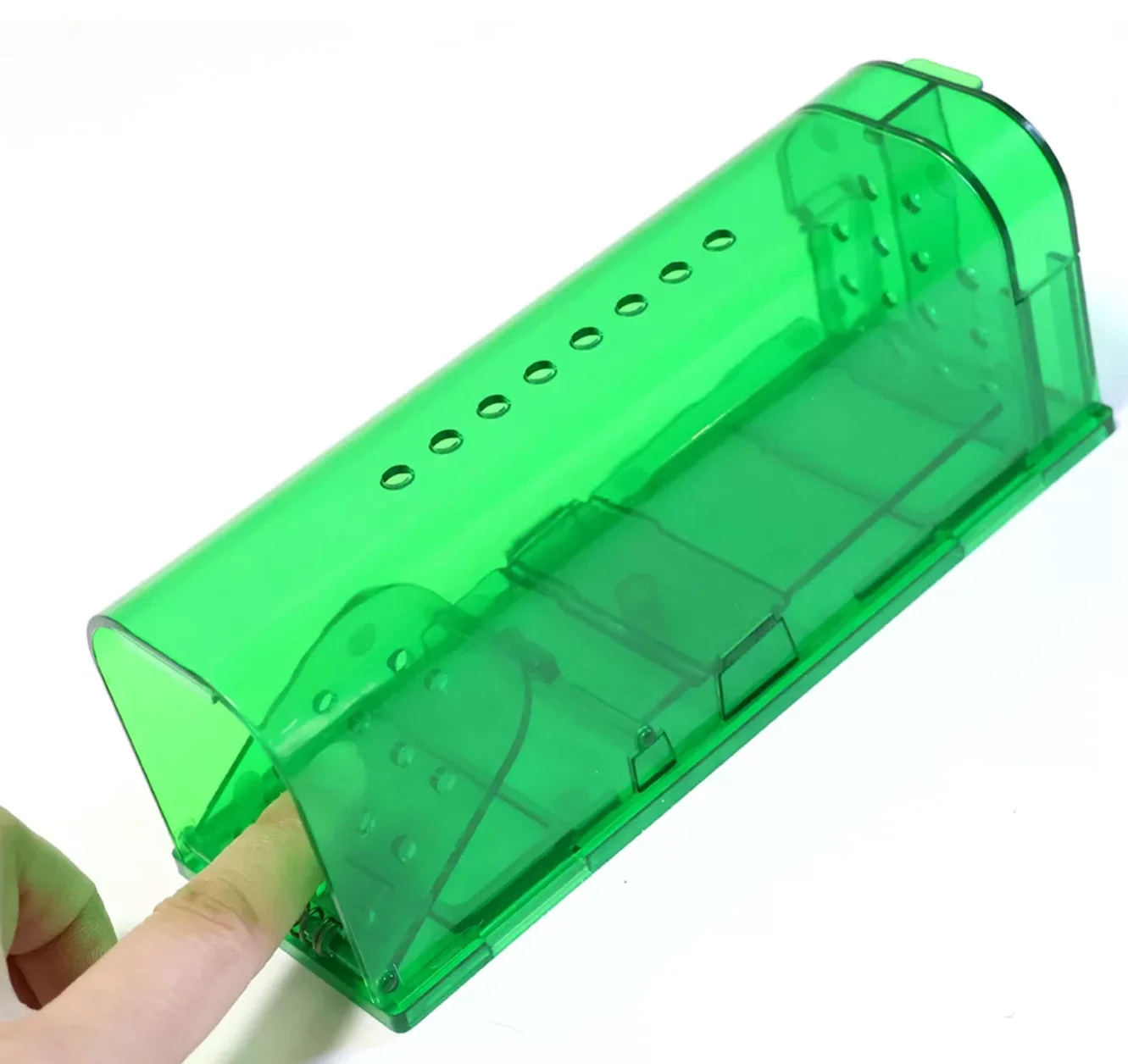
• For farm-used outdoor mice traps, we add a drainage design while applying rust prevention. The bottom of the trap is punched with 3mm drainage holes, and the inner surface is coated with anti-corrosion oil to resist the erosion of fertilizer and pesticide residues.
• Garden-specific outdoor mice traps adopt weather-resistant rust prevention. The powder coating is mixed with UV absorbers, which not only prevents rust but also resists color fading caused by sunlight, maintaining the trap’s decorative integration with the garden.
• Coastal-area outdoor mice traps use enhanced rust prevention. We increase the zinc layer thickness to 100μm and apply a fluorocarbon topcoat, which resists chloride ion erosion in sea breeze, ensuring no rust for 3 years in coastal environments.
The service life varies by treatment process: hot-dip galvanized rat trap lasts 5-8 years, powder-coated ones 3-5 years, and 304 stainless steel models over 10 years. In practical tests in rainy southern areas, our hot-dip galvanized rat trap remained rust-free after 6 years of continuous use.
No, we strictly control the thickness of rust prevention layers. The zinc layer and powder coating are within 0.1mm, which does not increase the weight of the rodent trap’s trigger mechanism. The trigger sensitivity is maintained at 5g, ensuring it can be activated by small rodents like juvenile mice.
Daily maintenance is simple: rinse the outdoor mice traps with clean water after use to remove dirt; wipe dry with a cloth if exposed to heavy rain for a long time. Avoid using hard steel wool for cleaning, as it may scratch the rust prevention layer. Reapply a thin layer of anti-rust oil once a year for better results.
Yes, all our processes comply with national environmental standards. The hot-dip galvanizing uses low-lead zinc ingots; the powder coating is non-toxic epoxy resin, which does not release harmful substances. The waste water from the passivation process is recycled through a sewage treatment system, meeting GB 8978-1996 discharge standards.
Absolutely. For high-corrosion environments like chemical factories or mines, we can customize rodent trap with titanium-plated rust prevention; for cold regions, we add anti-freeze agents to the powder coating to prevent the rust prevention layer from cracking due to freezing. The customization cycle is 7-10 days, and free samples are provided for testing.
Feb 21, 26
Comprehensive Guide to Rat Trap Technology and Effective Pest Control Solutions

Dec 03, 25
DIY Yellow Sticky Traps for Industrial Pest Control | Practical Guide
Dec 22, 25
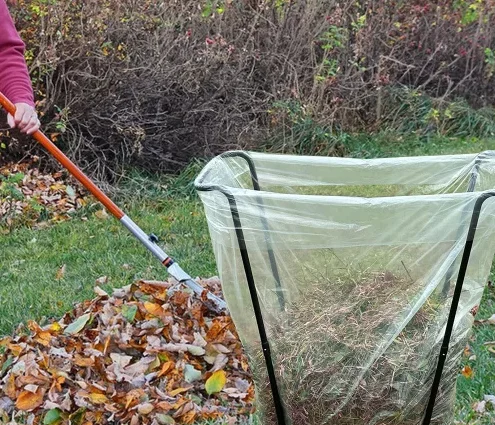
Sturdy Garbage Bag Holder for Yard Waste
Every gardener, homeowner, and outdoor enthusiast knows the constant challenge of managing yard debris.
Mar 13, 26
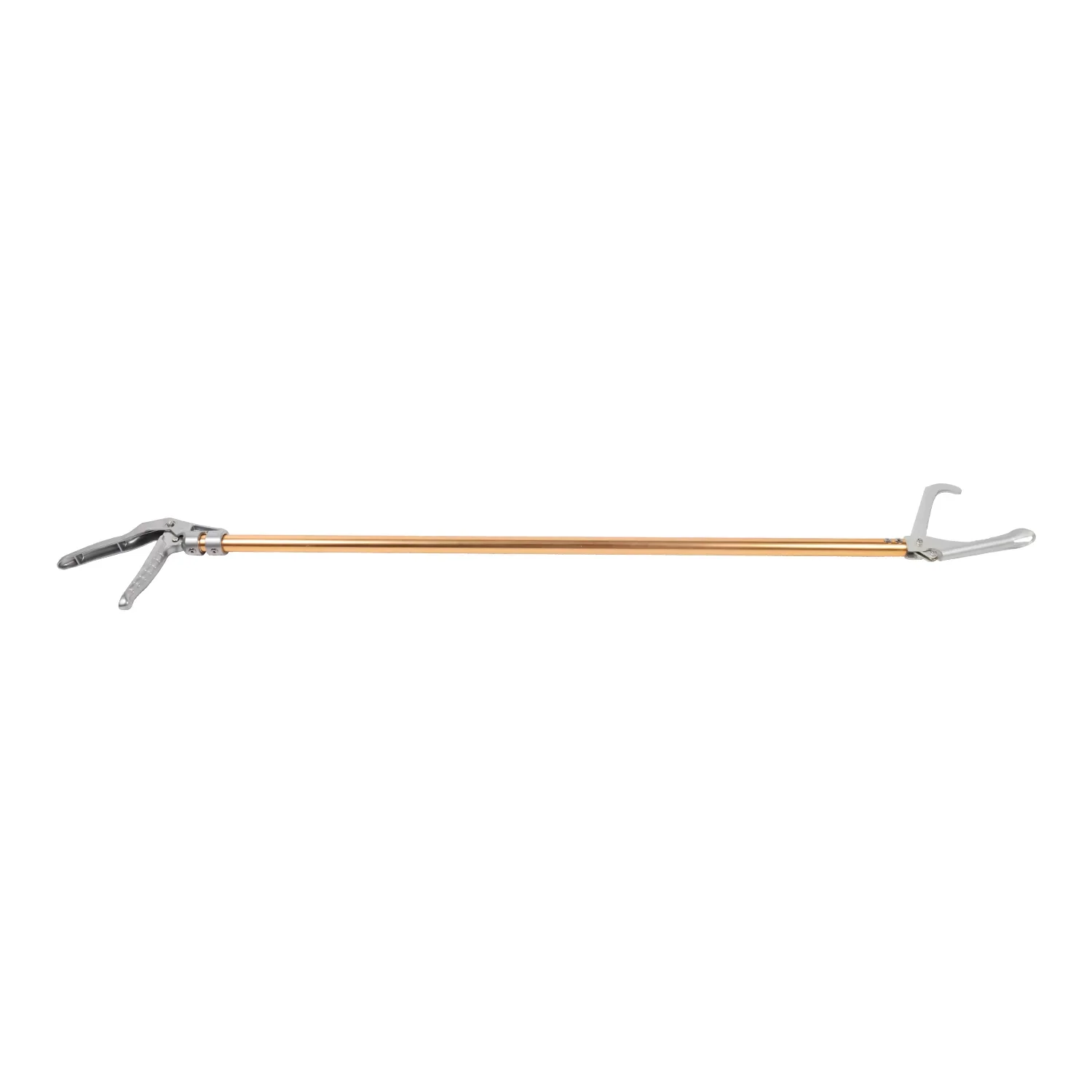
Snake Tongs For Sale: Reliable Snake Catching Tool for Safe Wildlife Handling
Handling snakes safely requires specialized equipment designed to protect both the handler and the animal.