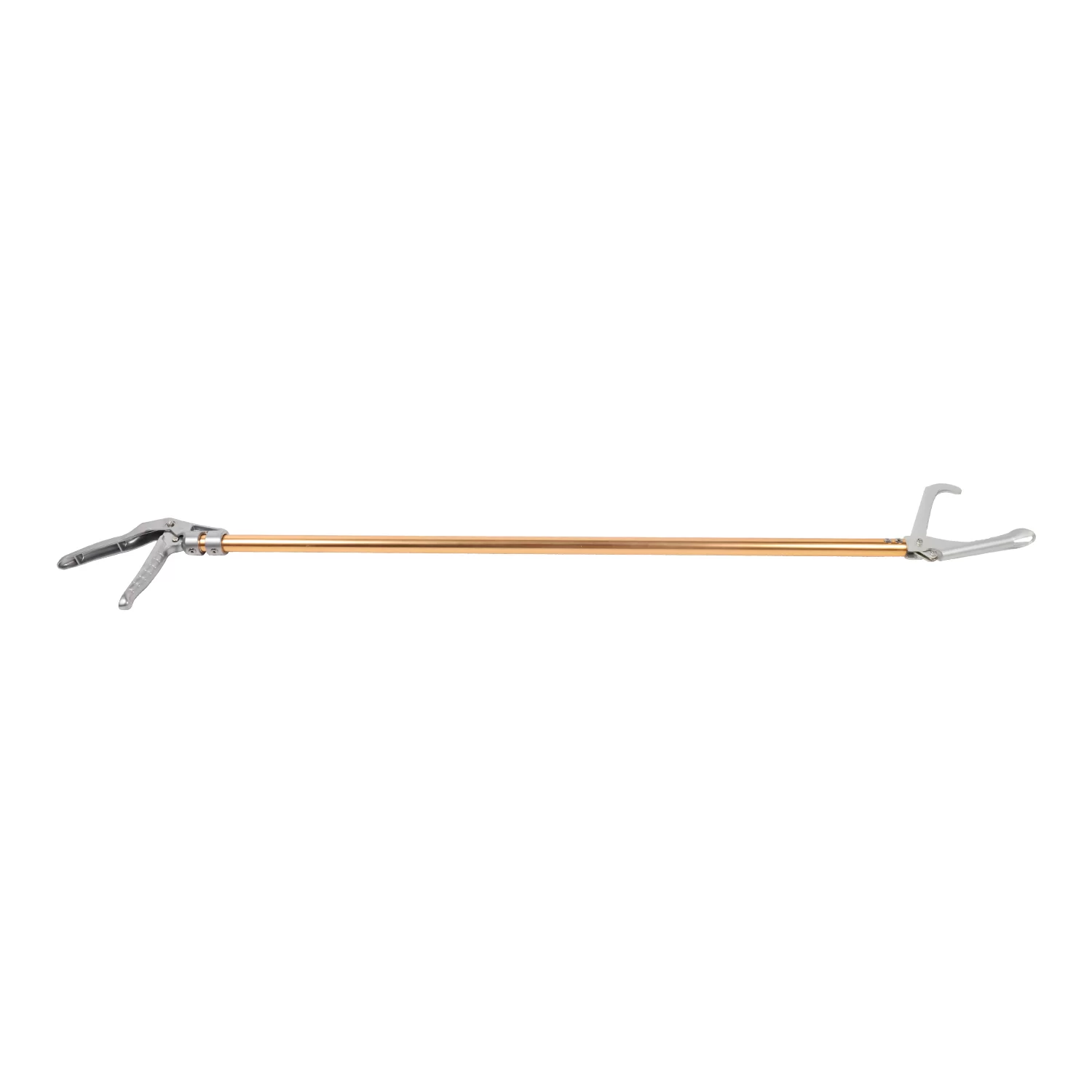
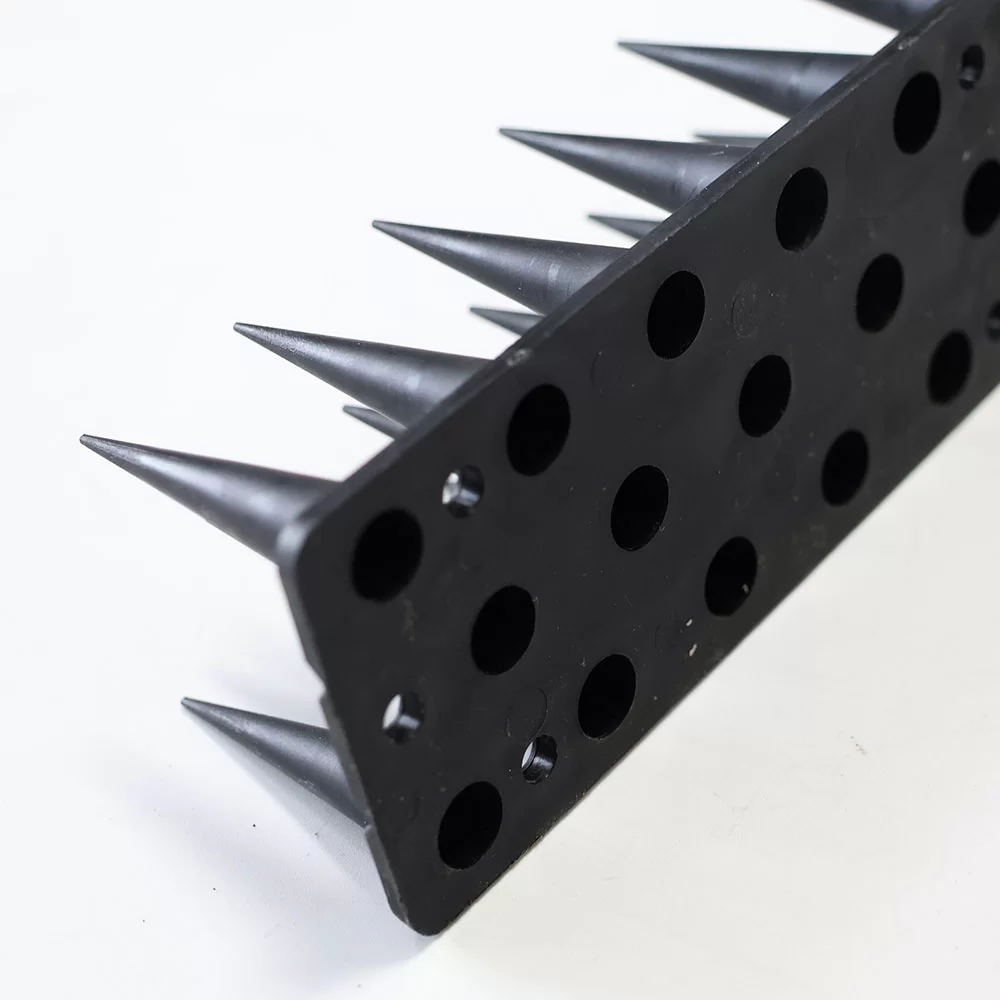
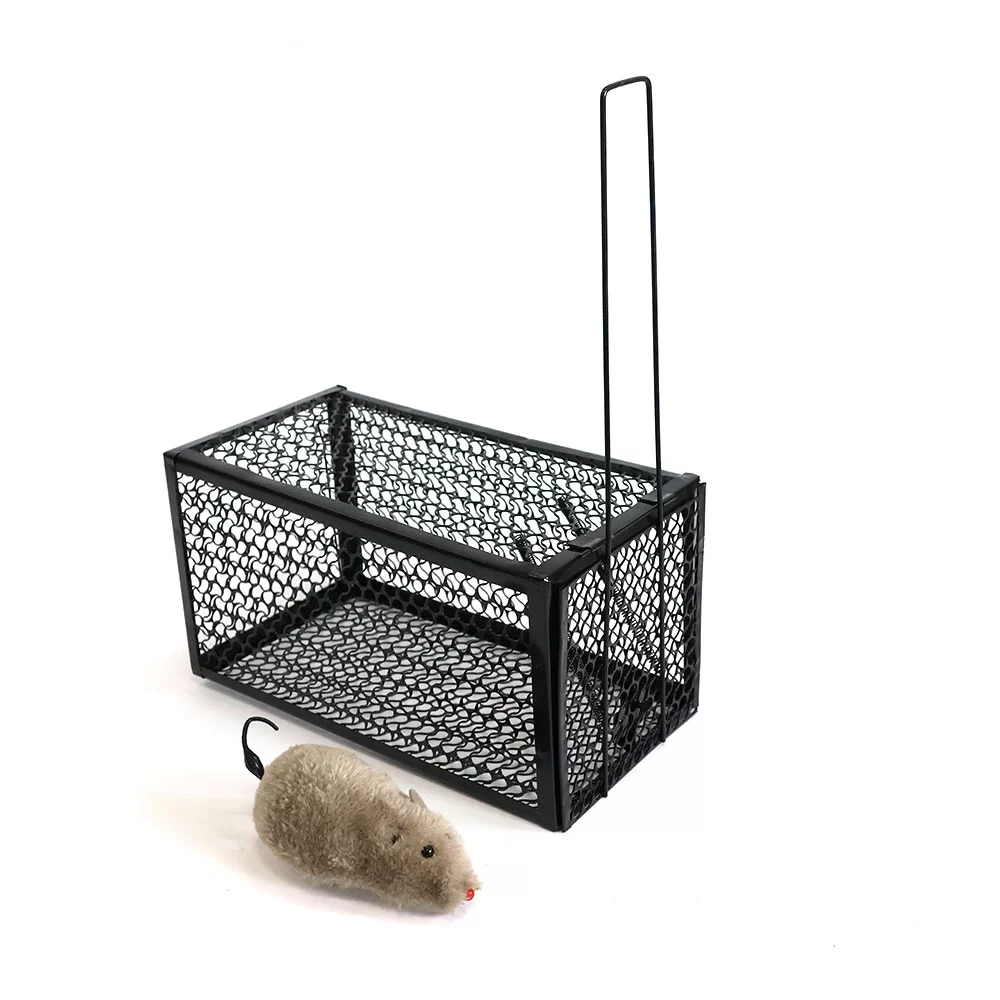
Sticky Trap Use is a key solution in the industry, specifically within various manufacturing and quality control sectors. This article explores how https://www.hbarcherfish.com supports professionals with durable, high-performance products, and explains why this product is an ideal choice for businesses in these sectors.
Table of Contents
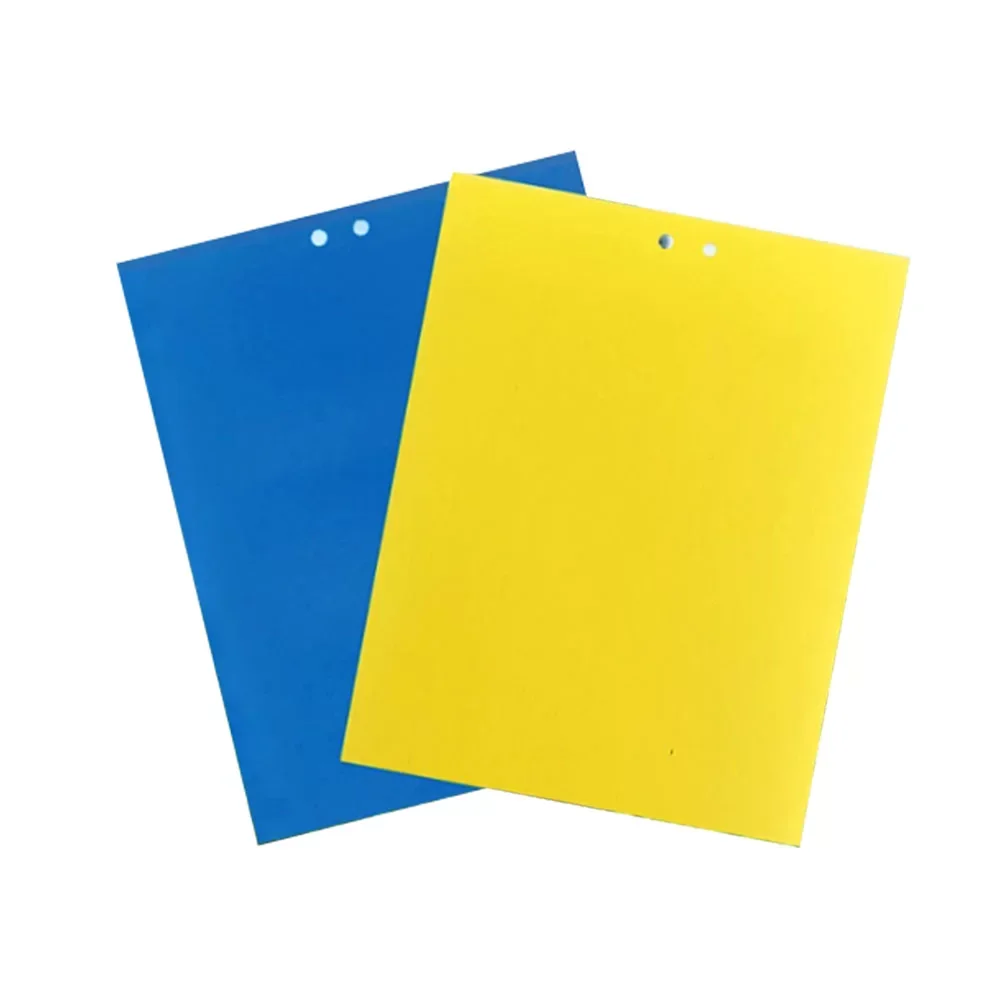
Sticky Trap Use refers to the strategic application of adhesive-based trapping solutions designed to capture and monitor particles or insects in industrial environments. It's frankly a deceptively simple technology — a sticky surface that entices and captures — but its importance can't be overstated especially when it comes to quality assurance and contamination control. In sectors like food production, pharmaceuticals, and logistics, maintaining clear environments is non-negotiable.
Technically speaking, these traps come in varying sizes and adhesive formulations optimized for specific applications. Some feature ultraviolet reflecting surfaces or insect attractants. A case study conducted with a major food processing plant showed a 40% decrease in airborne particulates after introducing targeted sticky traps in critical zones, ultimately reducing contamination incidents. The precision and simplicity are what makes Sticky Trap Use such a staple.
When I first dug into how industries use sticky traps, I was surprised by the sheer diversity of applications. From clean rooms to warehouses, and even in fishing gear manufacturing, these traps serve as an affordable, proactive step to reduce unwanted particles or even pests. Their passive nature means less human intervention, which is a big plus in sensitive setups.
Key advantages include quick deployment, no need for power sources, and low maintenance. Specific features like chemical resistance and non-toxic adhesives make them particularly popular in the healthcare and food industries. Customers often mention how hbarcherfish.com’s products outperform competitors due to their stronger adhesive longevity and versatility for both indoor and outdoor settings.
| Specification |
Details |
| Adhesive Type |
Non-toxic, UV-resistant |
| Dimensions |
20cm x 30cm standard, customizable |
| Operating Range |
-20°C to 50°C |
| Durability |
Up to 60 days effective |
| Environmental Impact |
Biodegradable materials option |
Cost, Maintenance & User Experience
Talking total cost of ownership, sticky traps typically score well. They require minimal upkeep — usually just replacement once their adhesive is saturated or at interval periods depending on exposure. I came across some feedback from engineers who noted that the traps from HB Archer feel sturdier and hold adhesive longer than the ones they had from less specialized suppliers.
In real terms, clients in logistics hubs report saving thousands in pest-related product loss and reducing labor hours spent on manual cleanups. The ROI often turns positive within just a few months due to lower contamination rates and fewer costly interventions. What’s notable is the simplicity; there’s little to no training needed, making adoption straightforward.
| Vendor |
Adhesive Longevity |
Customization Options |
Price per Unit |
| HB Archer |
Up to 60 days |
High (sizes, branding) |
$$$ |
| Competitor A |
Up to 45 days |
Medium |
$$ |
| Competitor B |
Up to 30 days |
Low |
$ |
Sustainability & Market Trends
Oddly enough, while sticky traps might seem basic, sustainability is increasingly driving their design. As regulations tighten on chemical pest control and environmental impact, manufacturers like HB Archer are innovating with biodegradable adhesives and recyclable backings. This adds a layer of accountability and future-proofs the product in the eyes of corporate buyers.
Market trends suggest growing adoption worldwide, especially in Asia-Pacific, where expanding food production demands scalable pest management. Coupled with rising awareness of eco-friendly practices, businesses are shifting from traditional poisons to sticky traps which offer lower toxicity and less environmental footprint. Those who stay ahead in this space, by the way, often report stronger brand reputation and compliance ease.
Frequently Asked Questions about Sticky Trap Use
- What is Sticky Trap Use and how does it work?
-
Sticky Trap Use involves placing adhesive-coated surfaces in targeted areas to capture insects or particles. The sticky surface prevents their movement, making it easier to monitor contamination levels or pest presence without chemicals or complex setups.
- What are the main benefits of using Sticky Trap Use in industrial applications?
-
Key benefits include cost-effectiveness, ease of deployment, non-toxic operation, and minimal maintenance. These traps reduce contamination risk and improve hygiene standards, which is essential for regulatory compliance.
- How does Sticky Trap Use compare to traditional alternatives?
-
Unlike chemical sprays or electronic devices, sticky traps work passively with no power needed. They carry less health risk and environmental impact, plus often provide longer-lasting protection with lower ongoing costs.
- What industries can benefit most from Sticky Trap Use implementation?
-
Industries like food processing, pharmaceutical manufacturing, logistics, and warehousing find sticky traps indispensable for contamination control and pest management. Successful cases from these sectors demonstrate clear gains in safety and efficiency.
Conclusion on Sticky Trap Use from china
To sum it up, Sticky Trap Use products from HB Archer provide a smart, reliable, and forward-thinking solution for a range of industrial challenges. Whether your priority is contamination control, pest management, or sustainability, their durable and customizable traps make a lot of sense. If you’re aiming to balance cost, effectiveness, and environmental responsibility, they’re worth a close look.
Interestingly, the evolution of sticky traps highlights how even the simplest tools can adapt with technology and sustainability in mind. It's a reminder that innovation isn’t always about complexity, sometimes it’s about perfecting the basics. – End of report